Items filtered by date: June 2024
Definition and Causes of Foot Stress Fractures


A foot stress fracture is a small crack or severe bruising within a bone, often resulting from repetitive force or overuse rather than a single traumatic event. Common causes include high-impact sports, sudden increases in physical activity, and wearing inadequate footwear. Stress fractures frequently occur in the weight-bearing bones of the foot, such as the metatarsals. Symptoms include pain that worsens with activity and diminishes with rest, swelling, and tenderness at the fracture site. Recovery time for a foot stress fracture typically ranges from six to eight weeks, depending on the severity and adherence to treatment. Proper rest, wearing supportive footwear, and gradually returning to activities are essential for healing. In some cases, immobilization with a boot or crutches may be necessary. If your foot hurts, it is suggested that you visit a podiatrist who can accurately diagnose and treat stress fractures.
Stress fractures occur when there is a tiny crack within a bone. To learn more, contact Dr. Kenneth Donovan from Advanced Care Foot and Ankle. Our doctor can provide the care you need to keep you pain free and on your feet.
How Are They Caused?
Stress fractures are the result of repetitive force being placed on the bone. Since the lower leg and feet often carry most of the body’s weight, stress fractures are likely to occur in these areas. If you rush into a new exercise, you are more likely to develop a stress fracture since you are starting too much, too soon. Pain resulting from stress fractures may go unnoticed at first, however it may start to worsen over time.
Risk Factors
- Gender – They are more commonly found in women compared to men.
- Foot Problems – People with unusual arches in their feet are more likely to develop stress fractures.
- Certain Sports – Dancers, gymnasts, tennis players, runners, and basketball players are more likely to develop stress fractures.
- Lack of Nutrients – A lack of vitamin D and calcium may weaken the bones and make you more prone to stress fractures
- Weak Bones – Osteoporosis can weaken the bones therefore resulting in stress fractures
Stress fractures do not always heal properly, so it is important that you seek help from a podiatrist if you suspect you may have one. Ignoring your stress fracture may cause it to worsen, and you may develop chronic pain as well as additional fractures.
If you have any questions, please feel free to contact one of our offices located in Warren, Livingston, and Toms River, NJ . We offer the newest diagnostic and treatment technologies for all your foot care needs.
Plantar Warts Can Be Treated!


Plantar warts are small growths that develop on parts of the feet that bear weight. They're typically found on the bottom of the foot. Don't live with plantar warts, and call us today!
Effective Exercises to Enhance Foot Strength for Ballet Dancers
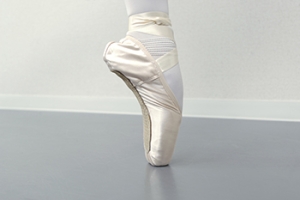
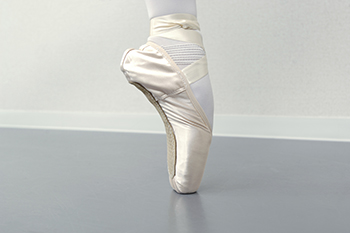
For ballet dancers, strong and flexible feet are essential for mastering intricate movements with precision and grace. Various foot stretches and exercises can help strengthen the muscles and improve the articulation of the feet. Using a hair elastic around the toes to create resistance while pointing and flexing helps develop intrinsic foot muscles. Thera bands provide resistance for exercises such as ankle dorsiflexion and plantarflexion, enhancing ankle stability and strength. Towel scrunches, where dancers use their toes to gather a hand towel, target the muscles of the feet and toes. Practicing tennis ball massages can alleviate tension and promote flexibility in the arches. Exercises like doming, toe teasers, and piano toes engage different foot muscles, enhancing overall strength and control. If you have injured your foot due to ballet moves, it is suggested that you visit a podiatrist who can offer appropriate treatment and guide you toward additional stretching techniques.
Why Stretching Is Important for Your Feet
Stretching the feet is a great way to prevent injuries. If you have any concerns with your feet consult with Dr. Kenneth Donovan from Advanced Care Foot and Ankle. Our doctor will assess your condition and provide you with quality foot and ankle treatment.
Stretching the Feet
Stretching the muscles in the foot is an important part in any physical activity. Feet that are tight can lead to less flexibility and make you more prone to injury. One of the most common forms of foot pain, plantar fasciitis, can be stretched out to help ease the pain. Stretching can not only ease pain from plantar fasciitis but also prevent it as well. However, it is important to see a podiatrist first to determine if stretching is right for you. Podiatrists can also recommend other ways to stretch your feet. Once you know whether stretching is right for you, here are some excellent stretches you can do.
- Using a foam roller or any cylindrical object (a water bottle or soda can will do), roll the object under your foot back and forth. You should also exert pressure on the object. Be sure to do this to both feet for a minute. Do this exercise three times each.
- Similar to the previous exercise, take a ball, such as a tennis ball, and roll it under your foot while seated and exert pressure on it.
- Grab a resistance band or towel and take a seat. If you are using a towel, fold it length wise. Next put either one between the ball of your foot and heel and pull with both hands on each side towards you. Hold this for 15 seconds and then switch feet. Do this three times for each foot.
- Finally hold your big toe while crossing one leg over the other. Pull the toe towards you and hold for 15 seconds. Once again do this three times per foot.
It is best to go easy when first stretching your foot and work your way up. If your foot starts hurting, stop exercising to ice and rest the foot. It is advised that you then see a podiatrist for help.
If you have any questions, please feel free to contact one of our offices located in Warren, Livingston, and Toms River, NJ . We offer the newest diagnostic and treatment technologies for all your foot care needs.
Causes Of Cracked Heels

 Cracked heels can be caused by many factors. The skin on heels are naturally dry and may crack when exposed to long periods of pressure, such as standing. Additionally, wearing open-backed shoes, like sandals, may progress the condition by allowing the skin to expand and split. Other causes of cracked heels include the lack of moisture from harsh weather and underlying health conditions. Certain medical conditions, including diabetes, eczema, psoriasis, and thyroid disorders, also may be factors in cracked skin on the heels. The aging process can aid in development of cracked heels, due to the skin losing its flexibility over time. Proper foot care, such as moisturizing and supportive footwear, may help prevent this condition. Podiatrists can provide professional care and guidance to manage and treat cracked heels. If the cracked skin on your heels forms fissures or begins to bleed, it is suggested that you consult a podiatrist for treatment to avoid infection.
Many people suffer from bouts of heel pain. For more information, contact Dr. Kenneth Donovan of Advanced Care Foot and Ankle. Our doctor can provide the care you need to keep you pain-free and on your feet.
Causes of Heel Pain
Heel pain is often associated with plantar fasciitis. The plantar fascia is a band of tissues that extends along the bottom of the foot. A rip or tear in this ligament can cause inflammation of the tissue.
Achilles tendonitis is another cause of heel pain. Inflammation of the Achilles tendon will cause pain from fractures and muscle tearing. Lack of flexibility is also another symptom.
Heel spurs are another cause of pain. When the tissues of the plantar fascia undergo a great deal of stress, it can lead to ligament separation from the heel bone, causing heel spurs.
Why Might Heel Pain Occur?
- Wearing ill-fitting shoes
- Wearing non-supportive shoes
- Weight change
- Excessive running
Treatments
Heel pain should be treated as soon as possible for immediate results. Keeping your feet in a stress-free environment will help. If you suffer from Achilles tendonitis or plantar fasciitis, applying ice will reduce the swelling. Stretching before an exercise like running will help the muscles. Using all these tips will help make heel pain a condition of the past.
If you have any questions please contact one of our offices located in Warren, Livingston, and Toms River, NJ . We offer the newest diagnostic and treatment technologies for all your foot and ankle needs.
How an Ankle Fracture Can Disrupt Life
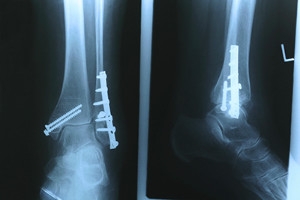
 A fractured ankle can significantly disrupt daily life, particularly impacting employment. This type of injury often requires an extended period of immobilization, followed by a lengthy rehabilitation process to restore full functionality. The inability to walk or stand for prolonged periods can make it challenging to perform job duties, especially in physically demanding roles. Consequently, high rates of unemployment and disability are observed among those with severe ankle fractures. The disruption stems from the need for rest and restricted movement to ensure proper healing, which can lead to extended absences from work. Additionally, the pain and swelling associated with a fractured ankle can hinder mobility and productivity. Without adequate treatment and rehabilitation, complications such as chronic pain, instability, and arthritis may develop, further delaying recovery and complicating return-to-work plans. If you have suffered an ankle fracture, it is strongly suggested that you receive a comprehensive treatment plan from a podiatrist to recover efficiently and return to work as quickly as possible.
Broken ankles need immediate treatment. If you are seeking treatment, contact Dr. Kenneth Donovan from Advanced Care Foot and Ankle. Our doctor can provide the care you need to keep you pain-free and on your feet.
Broken Ankles
A broken ankle is experienced when a person fractures their tibia or fibula in the lower leg and ankle area. Both of these bones are attached at the bottom of the leg and combine to form what we know to be our ankle.
When a physician is referring to a break of the ankle, he or she is usually referring to a break in the area where the tibia and fibula are joined to create our ankle joint. Ankles are more prone to fractures because the ankle is an area that suffers a lot of pressure and stress. There are some obvious signs when a person experiences a fractured ankle, and the following symptoms may be present.
Symptoms of a Fractured Ankle
- Excessive pain when the area is touched or when any pressure is placed on the ankle
- Swelling around the area
- Bruising of the area
- Area appears to be deformed
If you suspect an ankle fracture, it is recommended to seek treatment as soon as possible. The sooner you have your podiatrist diagnose the fracture, the quicker you’ll be on the way towards recovery.
If you have any questions, please feel free to contact one of our offices located in Warren, Livingston, and Toms River, NJ . We offer the newest diagnostic and treatment technologies for all your foot care needs.
