Items filtered by date: June 2021
Uncomfortable Swollen Feet During Pregnancy
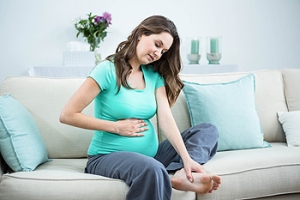
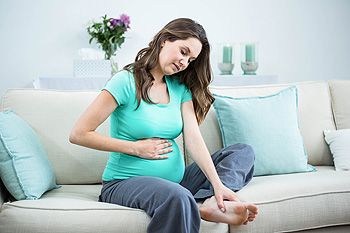 One of the most common complaints pregnant women have is swollen feet, and they can generally begin to feel uncomfortable as the pregnancy progresses. This can happen as a result of the growing fetus which can put pressure on specific areas of the body, and it can occur from an increase in fluids and blood. Many women have found mild relief when they can frequently elevate their feet, and it may help to perform gentle foot stretches throughout the day. Additionally, it is beneficial to limit sodium intake, and wearing compression stockings may help with persistent swelling. If you are pregnant, and would like more information about why your feet are swollen and additional relief methods, please consult with a podiatrist.
Pregnant women with swollen feet can be treated with a variety of different methods that are readily available. For more information about other cures for swollen feet during pregnancy, consult with Dr. Kenneth Donovan from Advanced Care Foot and Ankle. Our doctor will attend to all of your foot and ankle needs.
What Foot Problems Can Arise During Pregnancy?
One problem that can occur is overpronation, which occurs when the arch of the foot flattens and tends to roll inward. This can cause pain and discomfort in your heels while you’re walking or even just standing up, trying to support your baby.
Another problem is edema, or swelling in the extremities. This often affects the feet during pregnancy but tends to occur in the later stages.
How Can I Keep My Feet Healthy During Pregnancy?
- Wearing orthotics can provide extra support for the feet and help distribute weight evenly
- Minimize the amount of time spent walking barefoot
- Wear shoes with good arch support
- Wear shoes that allow for good circulation to the feet
- Elevate feet if you experience swelling
- Massage your feet
- Get regular, light exercise, such as walking, to promote blood circulation to the feet
If you have any questions please feel free to contact one of our offices located in Warren, Livingston, and Toms River, NJ . We offer the newest diagnostic and treatment technologies for all your foot and ankle needs.
Are Bunions Affecting Your Everyday Life?
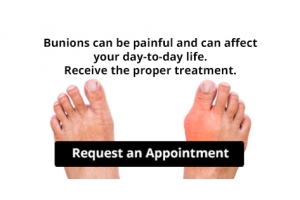
Have you noticed a bony protrusion on the side of your big toe? If so, you may have developed the foot condition known as a bunion. Don't let bunions interfere with your daily activities.
Are Bunions Affecting Your Everyday Life?
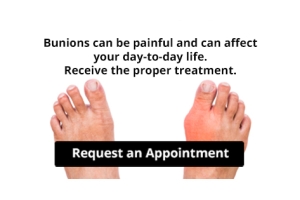
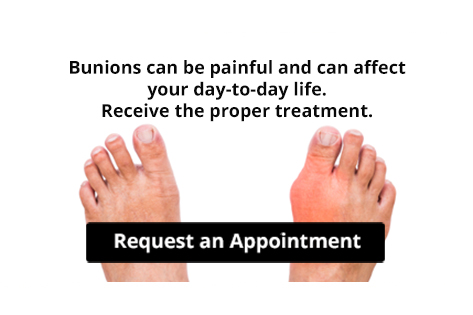
Have you noticed a bony protrusion on the side of your big toe? If so, you may have developed the foot condition known as a bunion. Don't let bunions interfere with your daily activities.
Several Types of Foot Pain
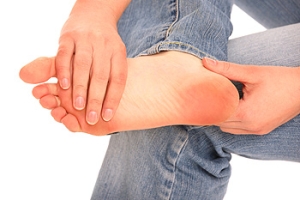
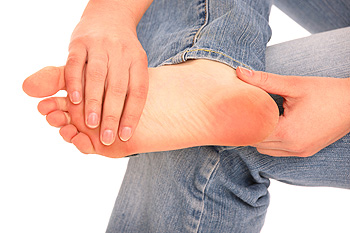 There are several different types of foot pain that exist. An ankle impingement can occur as a result of repetitive movement or from a sudden injury. This condition may have the same symptoms of an ankle sprain, and it may cause difficulty in walking. Children may experience heel pain, which may be indicative of Sever’s disease. This is an ailment that affects the growth plate in the heel, and the pain may be severe when pressure is put on the heel. A common form of foot pain is known as plantar fasciitis, and this occurs when the plantar fascia becomes inflamed. The plantar fascia is a band of tissue that is found on the bottom of the foot, and it connects the heel to the toes. This condition can happen from wearing shoes that do not fit correctly, or from standing on hard surfaces for the majority of the day. If you have any type of foot pain, it is strongly suggested that you are under the care of a podiatrist who can diagnose and treat foot disorders.
Foot Pain
Foot pain can be extremely painful and debilitating. If you have a foot pain, consult with Dr. Kenneth Donovan from Advanced Care Foot and Ankle. Our doctor will assess your condition and provide you with quality foot and ankle treatment.
Causes
Foot pain is a very broad condition that could be caused by one or more ailments. The most common include:
- Bunions
- Hammertoes
- Plantar Fasciitis
- Bone Spurs
- Corns
- Tarsal Tunnel Syndrome
- Ingrown Toenails
- Arthritis (such as Gout, Rheumatoid, and Osteoarthritis)
- Flat Feet
- Injury (from stress fractures, broken toe, foot, ankle, Achilles tendon ruptures, and sprains)
- And more
Diagnosis
To figure out the cause of foot pain, podiatrists utilize several different methods. This can range from simple visual inspections and sensation tests to X-rays and MRI scans. Prior medical history, family medical history, and any recent physical traumatic events will all be taken into consideration for a proper diagnosis.
Treatment
Treatment depends upon the cause of the foot pain. Whether it is resting, staying off the foot, or having surgery; podiatrists have a number of treatment options available for foot pain.
If you have any questions, please feel free to contact one of our offices located in Warren, Livingston, and Toms River, NJ . We offer the newest diagnostic and treatment technologies for all your foot care needs.
How to Buy Golf Shoes That Fit Correctly
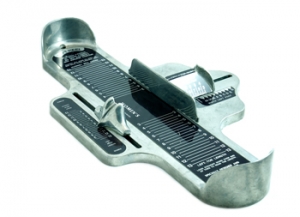
People who enjoy playing golf are often unaware of the importance of wearing the right golf shoes. The wrong shoes can hurt their feet, in addition to negatively affecting their game. Many players are concerned with choosing the right golf clubs, and can often overlook the attention that is needed to choose the right shoes. This can be remedied by measuring the feet using the Brannock device, and it is suggested that you wear the socks that will be worn while playing golf. It is beneficial to wear golf shoes that are wide, as this allows ample room for the toes to move freely. If you would like additional information about how to buy golf shoes that can enhance your game and fit correctly, please consult with a podiatrist.
Finding a properly-fitting shoe is important in reducing injuries and preventing foot problems. For more information about treatment, contact Dr. Kenneth Donovan from Advanced Care Foot and Ankle. Our doctor will treat your foot and ankle needs.
Proper Shoe Fitting
A common concern when it comes to foot health, having properly fitted shoes can help prevent injuries to the foot. Out feet affect our posture and gait, which in turn affects the biomechanics and overall bodily structure. With 33 joints, 26 bones, and over 100 ligaments, the potential for serious injury is much greater than one realizes. Although the feet cease growth in adulthood, they still change shape as they mature. Here are some factors to consider when it comes to investing in proper fitting shoes:
- Be sure the shoes fit correctly right away
- Ensure the ball of your foot fits comfortably in the widest portion of the shoes
- Even though they may look fashionable, improper fitting shoes can either create adverse conditions or exacerbate existing ones you may already have
- Walk along a carpeted surface to ensure the shoes comfortably fit during normal activity
Keeping in mind how shoes fit the biomechanics of your body, properly-fitting shoes are vitally important. Fortunately, it is not difficult to acquire footwear that fits correctly. Be sure to wear shoes that support the overall structure of your body. Do your feet a favor and invest in several pairs of well-fitted shoes today.
If you have any questions please feel free to contact one of our offices located in Warren, Livingston, and Toms River, NJ . We offer the newest diagnostic and treatment technologies for all your foot and ankle needs.
How to Buy Golf Shoes That Fit Correctly
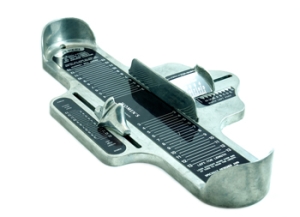
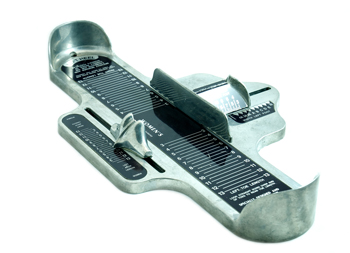
People who enjoy playing golf are often unaware of the importance of wearing the right golf shoes. The wrong shoes can hurt their feet, in addition to negatively affecting their game. Many players are concerned with choosing the right golf clubs, and can often overlook the attention that is needed to choose the right shoes. This can be remedied by measuring the feet using the Brannock device, and it is suggested that you wear the socks that will be worn while playing golf. It is beneficial to wear golf shoes that are wide, as this allows ample room for the toes to move freely. If you would like additional information about how to buy golf shoes that can enhance your game and fit correctly, please consult with a podiatrist.
Finding a properly-fitting shoe is important in reducing injuries and preventing foot problems. For more information about treatment, contact Dr. Kenneth Donovan from Advanced Care Foot and Ankle. Our doctor will treat your foot and ankle needs.
Proper Shoe Fitting
A common concern when it comes to foot health, having properly fitted shoes can help prevent injuries to the foot. Out feet affect our posture and gait, which in turn affects the biomechanics and overall bodily structure. With 33 joints, 26 bones, and over 100 ligaments, the potential for serious injury is much greater than one realizes. Although the feet cease growth in adulthood, they still change shape as they mature. Here are some factors to consider when it comes to investing in proper fitting shoes:
- Be sure the shoes fit correctly right away
- Ensure the ball of your foot fits comfortably in the widest portion of the shoes
- Even though they may look fashionable, improper fitting shoes can either create adverse conditions or exacerbate existing ones you may already have
- Walk along a carpeted surface to ensure the shoes comfortably fit during normal activity
Keeping in mind how shoes fit the biomechanics of your body, properly-fitting shoes are vitally important. Fortunately, it is not difficult to acquire footwear that fits correctly. Be sure to wear shoes that support the overall structure of your body. Do your feet a favor and invest in several pairs of well-fitted shoes today.
If you have any questions please feel free to contact one of our offices located in Warren, Livingston, and Toms River, NJ . We offer the newest diagnostic and treatment technologies for all your foot and ankle needs.
Development of Potential Harmful Foot Conditions From Wearing Flip Flops
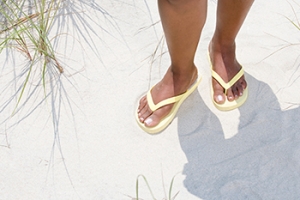
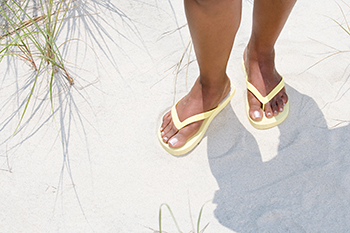 There are patients who have found their gait or walking style may have been altered if their lifestyle includes frequently wearing flip flops. The heel and ankles can negatively be affected, in addition to the skin on the feet when flip flops with no backs are worn often. Many people choose to wear this type of shoe for their ease and colorful designs, despite the potential damage they may cause. The toes can naturally scrunch in an effort to keep the shoe on the foot and performing this motion repeatedly can overstretch the plantar fascia, which is the band of tissue that connects the heel to the toes. If you enjoy wearing flip flops,please consult with a podiatrist who can recommend a more supportive sandal that can have less harmful side effects on the overall foot.
Flip-flops can cause a lot of problems for your feet. If you have any concerns about your feet or ankles, contact Dr. Kenneth Donovan from Advanced Care Foot and Ankle. Our doctor will assist you with all of your foot and ankle needs.
Flip-Flops and Feet
Flip-flops have managed to become a summer essential for a lot of people. While the shoes may be stylish and easy to slip on and off, they can be dangerous to those who wear them too often. These shoes might protect you from fungal infections such as athlete’s foot, but they can also give you foot pain and sprained ankles if you trip while wearing them.
When Are They Okay to Wear?
Flip-flops should only be worn for very short periods of time. They can help protect your feet in places that are crawling with fungi, such as gym locker rooms. Athlete’s foot and plantar warts are two common fungi that flip-flops may help protect your feet against.
Why Are They Bad for My Feet?
These shoes do not offer any arch support, so they are not ideal for everyday use. They also do not provide shock absorption or heel cushioning which can be problematic for your feet. Additionally, you may suffer from glass cuts, puncture wounds, and stubbed toes since they offer little protection for your feet.
More Reasons Why They Are Bad for Your Feet
- They Slow You Down
- May Cause Blisters and Calluses
- Expose Your Feet to Bacteria
If you have any questions, please feel free to contact one of our offices located in Warren, Livingston, and Toms River, NJ . We offer the newest diagnostic and treatment technologies for all your foot care needs.
Are You Suffering From Ingrown Toenails?

If left untreated, an ingrown toenail can lead to more serious concerns, such as an infection. Knowing proper nail care can help in the prevention of an ingrown toenail. Give us a call, and get treated!
Are You Suffering From Ingrown Toenails?
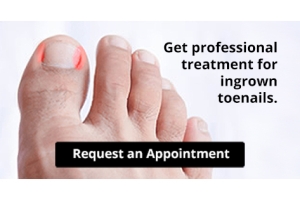

If left untreated, an ingrown toenail can lead to more serious concerns, such as an infection. Knowing proper nail care can help in the prevention of an ingrown toenail. Give us a call, and get treated!
What is Joint Replacement Surgery in the Ankle?
The ankle is a joint that connects the foot with the leg. When this joint becomes damaged from severe arthritis, joint replacement surgery may be an option for some patients to reduce pain, improve mobility and increase joint stability. In this type of surgery, the damaged surfaces of the bones in the ankle joint are removed, the bones are smoothed, and joint parts are replaced with prosthetic components. If you have end-stage arthritis in your ankle joint, consult with a podiatrist who will examine you and make a determination regarding whether you are a good candidate for joint replacement surgery.
In certain cases, in which the patient suffers from extreme pain or damage in a joint, joint replacement surgery may be deemed useful. If you have constant pain in a foot joint, consult with Dr. Kenneth Donovan from Advanced Care Foot and Ankle. Our doctor will assess your condition and provide you with quality foot and ankle treatment.
What Is Joint Replacement Surgery?
Over time, joints wear down; this can be exacerbated by diseases and conditions. Joint replacement surgery, also known as arthroplasty, is when a damaged joint is surgically removed and replaced with a prosthesis. Prostheses, which can be made of ceramic, plastic, or metal, act as joints in lieu of an actual joint. One of the most prevalent causes for joint replacement is arthritis.
Arthritis in the Foot
Arthritis can occur in any joint in the body, including in the feet. Common types of arthritis in the foot are osteoarthritis, rheumatoid arthritis, and gout. The big toe is usually where arthritis occurs in the foot; this is known as hallux rigidus.
Joint Replacement Surgery in the Foot
The most common form of joint replacement in the foot is a first metatarsophalangeal (MTP) joint placement. MTP joint replacement surgery is designed to treat hallux rigidus. Surgery is not intensive, and recovery occurs within one to two months after the procedure has been done. Overall, joint replacement surgery is a safe and effective way to treat pain in the joint of the foot.
If you have any questions, please feel free to contact one of our offices located in Warren, Livingston, and Toms River, NJ . We offer the newest diagnostic and treatment technologies for all your foot care needs.
