Items filtered by date: September 2019
Can Walking Help Poor Circulation?
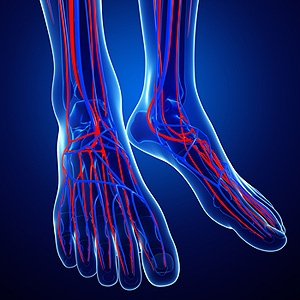
The medical condition that is known as poor circulation occurs when blood flow is restricted in the body. Common symptoms that are associated with this condition can include cold feet, in addition to a tingling and numbing sensation. This risk of developing poor circulation may increase as the aging process occurs. Other existing factors that can lead to this condition can include smoking, lack of exercise, and eating unhealthy foods. There are noticeable symptoms that are present if poor circulation exists. The most common sign is feeling cramps in your legs as you walk, and some patients are aware of consistent aches in their legs and feet. Mild relief can be obtained when a gentle walking program is implemented, and this can be helpful in controlling poor circulation. If you feel you have symptoms of this condition, it is suggested that you schedule a consultation with a podiatrist who can properly treat this condition.
While poor circulation itself isn’t a condition; it is a symptom of another underlying health condition you may have. If you have any concerns with poor circulation in your feet contact Dr. Kenneth Donovan of Advanced Care Foot and Ankle. Our doctor will treat your foot and ankle needs.
Poor Circulation in the Feet
Peripheral artery disease (PAD) can potentially lead to poor circulation in the lower extremities. PAD is a condition that causes the blood vessels and arteries to narrow. In a linked condition called atherosclerosis, the arteries stiffen up due to a buildup of plaque in the arteries and blood vessels. These two conditions can cause a decrease in the amount of blood that flows to your extremities, therefore resulting in pain.
Symptoms
Some of the most common symptoms of poor circulation are:
- Numbness
- Tingling
- Throbbing or stinging pain in limbs
- Pain
- Muscle Cramps
Treatment for poor circulation often depends on the underlying condition that causes it. Methods for treatment may include insulin for diabetes, special exercise programs, surgery for varicose veins, or compression socks for swollen legs.
As always, see a podiatrist as he or she will assist in finding a regimen that suits you. A podiatrist can also prescribe you any needed medication.
If you have any questions, please feel free to contact one of our offices located in Warren, Livingston, and Toms River, NJ . We offer the newest diagnostic and treatment technologies for all your foot care needs.
Read more about Causes Symptoms and Treatment for Poor Circulation in the Feet
Can Walking Help Poor Circulation?
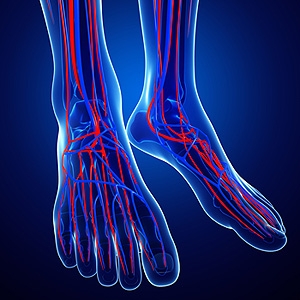
 The medical condition that is known as poor circulation occurs when blood flow is restricted in the body. Common symptoms that are associated with this condition can include cold feet, in addition to a tingling and numbing sensation. This risk of developing poor circulation may increase as the aging process occurs. Other existing factors that can lead to this condition can include smoking, lack of exercise, and eating unhealthy foods. There are noticeable symptoms that are present if poor circulation exists. The most common sign is feeling cramps in your legs as you walk, and some patients are aware of consistent aches in their legs and feet. Mild relief can be obtained when a gentle walking program is implemented, and this can be helpful in controlling poor circulation. If you feel you have symptoms of this condition, it is suggested that you schedule a consultation with a podiatrist who can properly treat this condition.
While poor circulation itself isn’t a condition; it is a symptom of another underlying health condition you may have. If you have any concerns with poor circulation in your feet contact Dr. Kenneth Donovan of Advanced Care Foot and Ankle. Our doctor will treat your foot and ankle needs.
Poor Circulation in the Feet
Peripheral artery disease (PAD) can potentially lead to poor circulation in the lower extremities. PAD is a condition that causes the blood vessels and arteries to narrow. In a linked condition called atherosclerosis, the arteries stiffen up due to a buildup of plaque in the arteries and blood vessels. These two conditions can cause a decrease in the amount of blood that flows to your extremities, therefore resulting in pain.
Symptoms
Some of the most common symptoms of poor circulation are:
- Numbness
- Tingling
- Throbbing or stinging pain in limbs
- Pain
- Muscle Cramps
Treatment for poor circulation often depends on the underlying condition that causes it. Methods for treatment may include insulin for diabetes, special exercise programs, surgery for varicose veins, or compression socks for swollen legs.
As always, see a podiatrist as he or she will assist in finding a regimen that suits you. A podiatrist can also prescribe you any needed medication.
If you have any questions, please feel free to contact one of our offices located in Warren, Livingston, and Toms River, NJ . We offer the newest diagnostic and treatment technologies for all your foot care needs.
The Feet Can Change As We Get Older
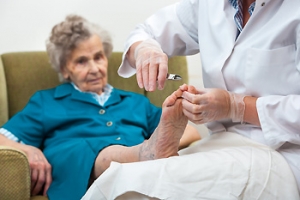
As the aging process occurs, changes in the feet typically endure. These can include dry and brittle nails, less cushioning in the foot, and sores on the feet that take longer to heal. There are a few tips to keep in mind as one gets older. Research has indicated the importance of wearing shoes that fit correctly. When shoes that are worn fit properly, certain foot conditions may be prevented from developing which include bunions, corns, and calluses. The feet will generally feel better when gentle stretching techniques are frequently performed. Additionally, it is beneficial to keep the legs uncrossed while sitting. Athlete’s foot may be avoided if appropriate shoes are worn while in public pools and surrounding areas. When the toenails are trimmed correctly, ingrown toenails may be prevented. If diabetes is an existing condition, it is suggested to be under the care of a podiatrist who can help you to maintain proper foot care. If you would like more advice, consult with a podiatrist.
Proper foot care is something many older adults forget to consider. If you have any concerns about your feet and ankles, contact Dr. Kenneth Donovan from Advanced Care Foot and Ankle. Our doctor can provide the care you need to keep you pain-free and on your feet.
The Elderly and Their Feet
As we age we start to notice many changes in our body, but the elder population may not notice them right away. Medical conditions may prevent the elderly to take notice of their foot health right away. Poor vision is a lead contributor to not taking action for the elderly.
Common Conditions
- Neuropathy – can reduce feeling in the feet and can hide many life-threatening medical conditions.
- Reduced flexibility – prevents the ability of proper toenail trimming, and foot cleaning. If left untreated, it may lead to further medical issues.
- Foot sores – amongst the older population can be serious before they are discovered. Some of the problematic conditions they may face are:
- Gouging toenails affecting nearby toe
- Shoes that don’t fit properly
- Pressure sores
- Loss of circulation in legs & feet
- Edema & swelling of feet and ankles
Susceptible Infections
Diabetes and poor circulation can cause general loss of sensitivity over the years, turning a simple cut into a serious issue.
If you have any questions please feel free to contact one of our offices located in Warren, Livingston, and Toms River, NJ. We offer the newest diagnostic and treatment technologies for all your foot and ankle needs.
