
Blog (826)
Podiatrists Effectively Treat Ingrown Toenails

 Podiatrists specialize in treating foot conditions, including the common yet painful issue of ingrown toenails. These occur when the edge of a toenail grows into the surrounding skin, causing discomfort, redness, and even infection. When treating an ingrown toenail, a podiatrist may start with conservative treatments, such as properly trimming the nail, lifting it from the skin, and recommending appropriate footwear to alleviate pressure. In cases where the ingrown toenail is recurrent or severe, a podiatrist may perform a minor surgical procedure under local anesthesia to remove part of the nail. This professional intervention not only addresses the immediate pain and infection but can also prevent recurrence of ingrown nails in that area. Patients can usually return to their daily activities quickly and comfortably, with minimal risk of complications. If you are suffering from an ingrown toenail, it is suggested that you consult a podiatrist for treatment.
Ingrown toenails may initially present themselves as a minor discomfort, but they may progress into an infection in the skin without proper treatment. For more information about ingrown toenails, contact Dr. Kenneth Donovan of Advanced Care Foot and Ankle. Our doctor can provide the care you need to keep you pain-free and on your feet.
Ingrown Toenails
Ingrown toenails are caused when the corner or side of a toenail grows into the soft flesh surrounding it. They often result in redness, swelling, pain, and in some cases, infection. This condition typically affects the big toe and may recur if it is not treated properly.
Causes
- Improper toenail trimming
- Genetics
- Improper shoe fitting
- Injury from pedicures or nail picking
- Abnormal gait
- Poor hygiene
You are more likely to develop an ingrown toenail if you are obese, have diabetes, arthritis, or have any fungal infection in your nails. Additionally, people who have foot or toe deformities are at a higher risk of developing an ingrown toenail.
Symptoms
Some symptoms of ingrown toenails are redness, swelling, and pain. In rare cases, there may be a yellowish drainage coming from the nail.
Treatment
Ignoring an ingrown toenail can have serious complications. Infections of the nail border can progress to a deeper soft-tissue infection, which can then turn into a bone infection. You should always speak with your podiatrist if you suspect you have an ingrown toenail, especially if you have diabetes or poor circulation.
If you have any questions, please feel free to contact one of our offices located in Warren, Livingston, and Toms River, NJ . We offer the newest diagnostic and treatment technologies for all your foot care needs.
Diagnosis of Conditions Causing Heel Pain
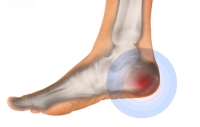
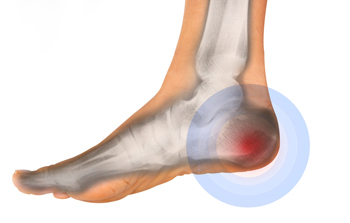 Diagnosing the cause of heel pain usually involves a comprehensive approach to identify the underlying issue accurately. First, a podiatrist will conduct a detailed medical history and physical examination, focusing on the foot to assess pain location, tenderness, and the presence of any swelling or abnormalities. The doctor may ask about the type of pain experienced, its onset, and any activities that exacerbate or relieve it. To further pinpoint the cause of heel pain, imaging tests such as X-rays, MRI scans, or ultrasounds may be utilized. These tools help a podiatrist visualize the internal structure of the foot, revealing issues like plantar fasciitis, heel spurs, or other soft tissue injuries. In certain cases, blood tests might be ordered to rule out systemic conditions, such as arthritis or gout, that can cause heel pain. Through this process, podiatrists can determine the specific cause of heel pain, allowing them to devise a targeted treatment plan that addresses the root of the problem. If you are suffering from heel pain, it is suggested that you contact a podiatrist today to begin the diagnostic process.
Many people suffer from bouts of heel pain. For more information, contact Dr. Kenneth Donovan of Advanced Care Foot and Ankle. Our doctor can provide the care you need to keep you pain-free and on your feet.
Causes of Heel Pain
Heel pain is often associated with plantar fasciitis. The plantar fascia is a band of tissues that extends along the bottom of the foot. A rip or tear in this ligament can cause inflammation of the tissue.
Achilles tendonitis is another cause of heel pain. Inflammation of the Achilles tendon will cause pain from fractures and muscle tearing. Lack of flexibility is also another symptom.
Heel spurs are another cause of pain. When the tissues of the plantar fascia undergo a great deal of stress, it can lead to ligament separation from the heel bone, causing heel spurs.
Why Might Heel Pain Occur?
- Wearing ill-fitting shoes
- Wearing non-supportive shoes
- Weight change
- Excessive running
Treatments
Heel pain should be treated as soon as possible for immediate results. Keeping your feet in a stress-free environment will help. If you suffer from Achilles tendonitis or plantar fasciitis, applying ice will reduce the swelling. Stretching before an exercise like running will help the muscles. Using all these tips will help make heel pain a condition of the past.
If you have any questions please contact one of our offices located in Warren, Livingston, and Toms River, NJ . We offer the newest diagnostic and treatment technologies for all your foot and ankle needs.
Are Bunions Affecting Your Everyday Life?


Have you noticed a bony protrusion on the side of your big toe? If so, you may have developed the foot condition known as a bunion. Don't let bunions interfere with your daily activities.
Common Diagnostic Tests for Foot and Ankle Pain


Common diagnostic tests for foot and ankle pain encompass a variety of methods aimed at identifying the underlying cause of discomfort and informing appropriate treatment strategies. X-rays are often the initial imaging choice, providing detailed views of bones to detect fractures, arthritis, or bone abnormalities. Magnetic Resonance Imaging, or MRI, offers more comprehensive images, particularly useful for soft tissue injuries, such as ligament tears or tendon damage. Ultrasound scans provide real-time imaging and are effective for assessing soft tissue structures like tendons and ligaments. CT scans may be used to visualize complex fractures or detailed bone structures. Additionally, diagnostic procedures like electromyography, EMG, and nerve conduction studies, NCS, help assess nerve function, aiding in the diagnosis of conditions like peripheral neuropathy or nerve compression syndromes. Physical examination techniques, including range of motion tests and palpation, complement these diagnostic tests, providing valuable insights into the source of foot and ankle pain. If you have foot or ankle pain, it is suggested that you make an appointment with a podiatrist who can examine you and conduct tests necessary to properly diagnose and treat you.
Foot Pain
Foot pain can be extremely painful and debilitating. If you have a foot pain, consult with Dr. Kenneth Donovan from Advanced Care Foot and Ankle. Our doctor will assess your condition and provide you with quality foot and ankle treatment.
Causes
Foot pain is a very broad condition that could be caused by one or more ailments. The most common include:
- Bunions
- Hammertoes
- Plantar Fasciitis
- Bone Spurs
- Corns
- Tarsal Tunnel Syndrome
- Ingrown Toenails
- Arthritis (such as Gout, Rheumatoid, and Osteoarthritis)
- Flat Feet
- Injury (from stress fractures, broken toe, foot, ankle, Achilles tendon ruptures, and sprains)
- And more
Diagnosis
To figure out the cause of foot pain, podiatrists utilize several different methods. This can range from simple visual inspections and sensation tests to X-rays and MRI scans. Prior medical history, family medical history, and any recent physical traumatic events will all be taken into consideration for a proper diagnosis.
Treatment
Treatment depends upon the cause of the foot pain. Whether it is resting, staying off the foot, or having surgery; podiatrists have a number of treatment options available for foot pain.
If you have any questions, please feel free to contact one of our offices located in Warren, Livingston, and Toms River, NJ . We offer the newest diagnostic and treatment technologies for all your foot care needs.
Podiatrists Can Manage Cracked Heels

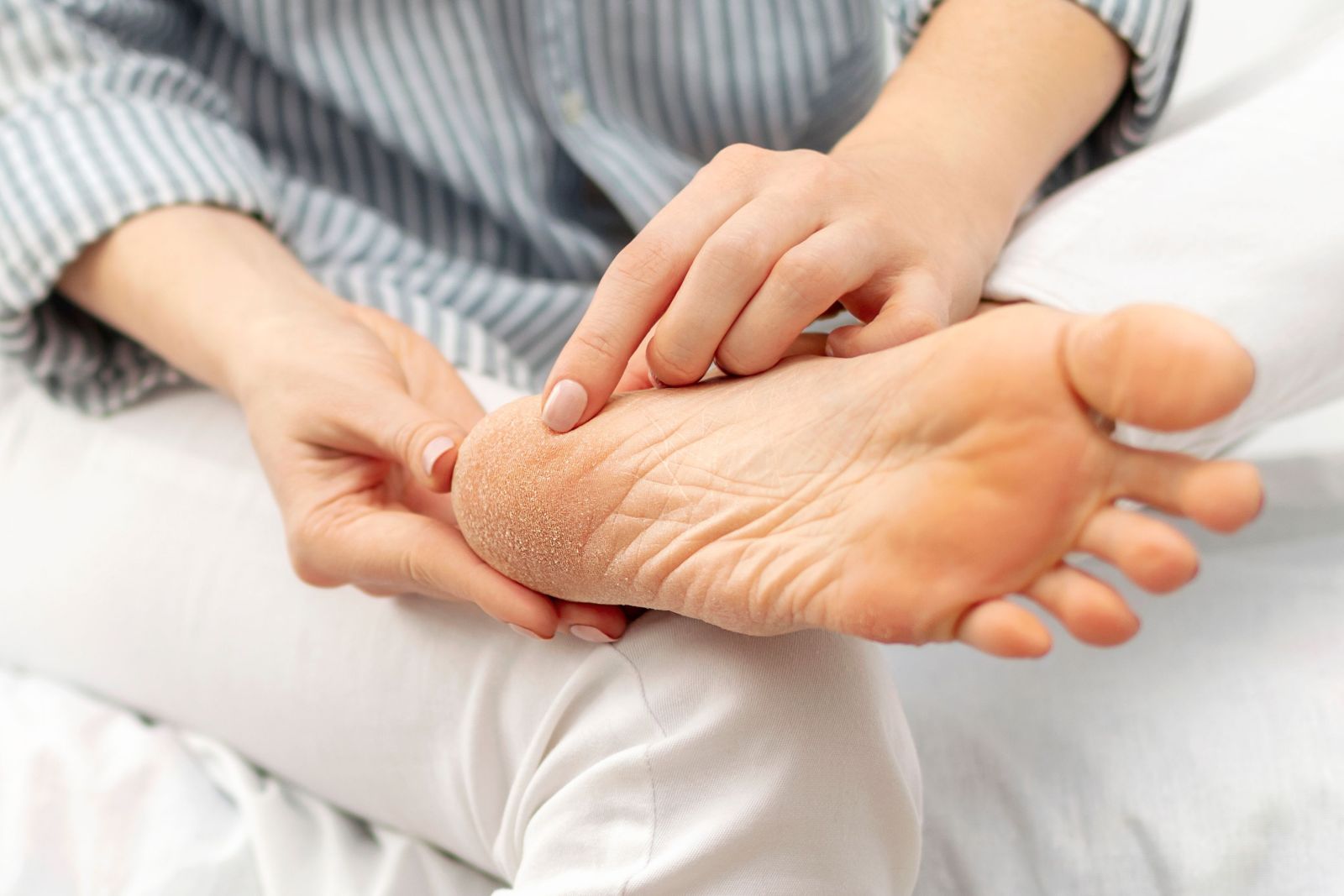
Cracked heels are a common foot condition characterized by fissures or splits in the skin, typically on the heels. They develop due to a combination of factors including dryness, pressure, and callus formation. Common causes include prolonged standing, wearing open-back shoes, obesity, and dry skin conditions like eczema or psoriasis. Besides being unattractive, cracked heels can become painful, especially if deep fissures form, leading to bleeding or infection risk. Calluses often accompany cracked heels, exacerbating discomfort. If left untreated, severe cases may lead to infections or difficulty while walking. Podiatrists are trained to diagnose and treat cracked heels effectively. They can remove thickened skin and calluses, offer advice on moisturizing and proper footwear, and address underlying conditions contributing to the problem. Additionally, they may recommend orthotic inserts to relieve pressure on the heels and prevent further cracking. If you have cracked heels that are painful or unsightly, it is suggested that you schedule an appointment with a podiatrist who can offer relief remedies.
If the skin on your feet starts to crack, you may want to see a podiatrist to find treatment. If you have any concerns, contact Dr. Kenneth Donovan from Advanced Care Foot and Ankle. Our doctor can provide the care you need to keep you pain-free and on your feet.
Cracked Heels
It is important to moisturize your cracked heels in order to prevent pain, bleeding, and infection. The reason cracked heels form is because the skin on the foot is too dry to support the immense pressure placed on them. When the foot expands, the dry skin on the foot begins to split.
Ways to Help Heal Them
- Invest in a good foot cream
- Try Using Petroleum Jelly
- Ease up on Soaps
- Drink Plenty of Water
Ways to Prevent Cracked Heels
- Moisturize After Showering
- Skip a Shower
- Keep Shower Water Lukewarm
- Don’t Scrub Your Feet
If you are unsure how to proceed in treating cracked heels, seek guidance from a podiatrist. Your doctor will help you with any questions or information you may need.
If you have any questions, please feel free to contact one of our offices located in Warren, Livingston, and Toms River, NJ . We offer the newest diagnostic and treatment technologies for all your foot care needs.
Cuboid Syndrome in Athletes
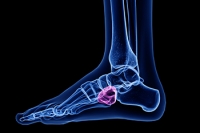
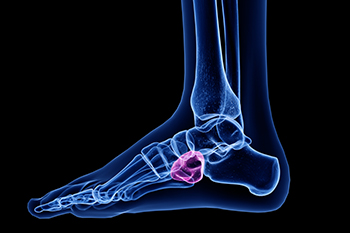 Cuboid syndrome is a prevalent source of lateral midfoot discomfort in athletes. It is thought that it might happen when there's a small problem with the joint in the middle of the foot. Symptoms closely resemble those of ligament sprains. Definitive diagnostic tests for the condition are currently unavailable. However, some studies show good responses to joint manipulation and external support. Despite the absence of evidence-based guidelines, diagnosing cuboid syndrome often relies on recognizing a combination of signs and symptoms. Manipulation of the cuboid is typically considered as an initial treatment option unless contraindicated. If you are an athlete and have persistent pain in your midfoot area, it is suggested that you make an appointment with a podiatrist to have your foot examined and a determination made as to whether cuboid syndrome might be the cause. Then, you can get the right treatment.
Cuboid syndrome, also known as cuboid subluxation, occurs when the joints and ligaments near the cuboid bone in the foot become torn. If you have cuboid syndrome, consult with Dr. Kenneth Donovan from Advanced Care Foot and Ankle. Our doctor will assess your condition and provide you with quality foot and ankle treatment.
Cuboid syndrome is a common cause of lateral foot pain, which is pain on the outside of the foot. The condition may happen suddenly due to an ankle sprain, or it may develop slowly overtime from repetitive tension through the bone and surrounding structures.
Causes
The most common causes of cuboid syndrome include:
- Injury – The most common cause of this ailment is an ankle sprain.
- Repetitive Strain – Tension placed through the peroneus longus muscle from repetitive activities such as jumping and running may cause excessive traction on the bone causing it to sublux.
- Altered Foot Biomechanics – Most people suffering from cuboid subluxation have flat feet.
Symptoms
A common symptom of cuboid syndrome is pain along the outside of the foot which can be felt in the ankle and toes. This pain may create walking difficulties and may cause those with the condition to walk with a limp.
Diagnosis
Diagnosis of cuboid syndrome is often difficult, and it is often misdiagnosed. X-rays, MRIs and CT scans often fail to properly show the cuboid subluxation. Although there isn’t a specific test used to diagnose cuboid syndrome, your podiatrist will usually check if pain is felt while pressing firmly on the cuboid bone of your foot.
Treatment
Just as the range of causes varies widely, so do treatments. Some more common treatments are ice therapy, rest, exercise, taping, and orthotics.
If you have any questions, please feel free to contact one of our offices located in Warren, Livingston, and Toms River, NJ . We offer the newest diagnostic and treatment technologies for all your foot care needs.
Are You Suffering From Ingrown Toenails?


If left untreated, an ingrown toenail can lead to more serious concerns, such as an infection. Knowing proper nail care can help in the prevention of an ingrown toenail. Give us a call, and get treated!
Balancing Quality of Life and Functionality in Diabetes Management
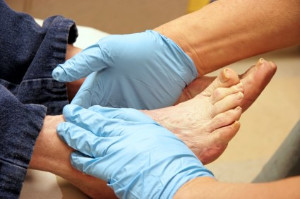
Diabetes raises the risk of foot ulcers, with a 40 percent five-year mortality rate. Limb salvage is preferred, but if a podiatrist finds that an amputation is necessary, partial-foot amputations, or PFAs, are preferred. PFAs offer better mobility and quality of life, but complications like re-ulceration persist. Assessing quality of life involves considering function and patient preferences. Shared decision-making integrates medical, psychological, and patient factors, which are critical for complex choices like limb salvage versus amputation. If you are a diabetic, it is strongly suggested that you make regular appointments with a podiatrist to have your feet routinely examined and problems dealt with as soon as possible. Preventing complications leading to limb-threatening conditions and improving quality of life is the goal.
Limb salvage can be an effective way in preventing the need for limb amputation. If you have diabetes, cancer, or any other condition that could lead to foot amputation if left unchecked, consult with Dr. Kenneth Donovan from Advanced Care Foot and Ankle. Our doctor will assess your condition and provide you with quality foot and ankle treatment.
What Is Limb Salvage?
Limb salvage is the attempt of saving a limb, such as the foot from amputation. Podiatrists also try to make sure that there is enough function in the foot after the salvage that it is still usable. Diabetes is the number one cause of non-traumatic amputations in the United States. Those with diabetes experience poor blood circulation, which prevents proper healing of an ulcer. If the ulcer is left uncheck, it could become infected, which could result in the need for amputation.
However, there are other causes as well, such as cancer and traumatic injury. Links between higher mortality rates and amputation have been found. This translates into higher healthcare costs, and a reduced quality of life and mobility for amputees. Podiatrists have attempted to increase the prevalence of limb salvage in an attempt to solve these issues.
Diagnosis and Treatment
Limb salvage teams have grown in recent years that utilize a number of different treatments to save the infected limb. This includes podiatrists that specialize in wound care, rehabilitation, orthotics, and surgery. Through a combination of these methods, limb salvage has been found to be an effective treatment for infected limbs, and as an alternative to amputation. Podiatrists will first evaluate the potential for limb salvage and determine if the limb can be saved or must be amputated.
If you have any questions, please feel free to contact one of our offices located in Warren, Livingston, and Toms River, NJ . We offer the newest diagnostic and treatment technologies for all your foot care needs.
Definition of Flat Feet
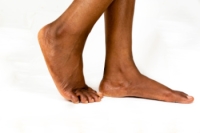
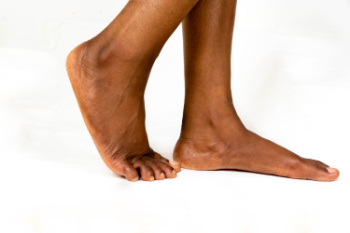
Flat feet, or fallen arches, can lead to discomfort and pain, affecting daily activities. Treatment options aim to alleviate symptoms and improve foot function. Custom-made orthotics to support the arch and provide cushioning, can help distribute pressure evenly and reduce pain. Wearing supportive footwear with proper arch support and shock absorption can also alleviate discomfort. Stretching exercises to strengthen the muscles and improve flexibility may be beneficial. In severe cases, corticosteroid injections may be recommended to reduce pain and inflammation. Surgery is rarely necessary, but may be considered for individuals with persistent pain and significant foot deformities. If you have pain from having flat feet, it is suggested that you schedule an appointment with a podiatrist for an evaluation and a plan tailored to your individual needs.
Flatfoot is a condition many people suffer from. If you have flat feet, contact Dr. Kenneth Donovan from Advanced Care Foot and Ankle. Our doctor will treat your foot and ankle needs.
What Are Flat Feet?
Flatfoot is a condition in which the arch of the foot is depressed and the sole of the foot is almost completely in contact with the ground. About 20-30% of the population generally has flat feet because their arches never formed during growth.
Conditions & Problems:
Having flat feet makes it difficult to run or walk because of the stress placed on the ankles.
Alignment – The general alignment of your legs can be disrupted, because the ankles move inward which can cause major discomfort.
Knees – If you have complications with your knees, flat feet can be a contributor to arthritis in that area.
Symptoms
- Pain around the heel or arch area
- Trouble standing on the tip toe
- Swelling around the inside of the ankle
- Flat look to one or both feet
- Having your shoes feel uneven when worn
Treatment
If you are experiencing pain and stress on the foot you may weaken the posterior tibial tendon, which runs around the inside of the ankle.
If you have any questions please feel free to contact one of our offices located in Warren, Livingston, and Toms River, NJ . We offer the newest diagnostic and treatment technologies for all your foot and ankle needs.
Polydactyly Versus Syndactyly in Congenital Foot Conditions

 Polydactyly and syndactyly are different congenital foot conditions that affect the development of the toes. Polydactyly occurs when there are extra toes on the foot. This condition can vary in severity. Some people having a small extra toe that may not cause significant issues. Others may have a fully formed extra toe that requires surgical removal for functional and cosmetic reasons. Conversely, syndactyly occurs when two or more toes are fused together. This condition ranges from partial fusion, where only the skin connects the toes, to complete fusion, where the bones are fused together. Syndactyly can affect adjacent toes or more distant toes. Polydactyly and syndactyly are generally treated surgically to restore normal toe alignment and function. If you or your child has a congenital foot condition, it is suggested you consult with a podiatrist for proper evaluation and tailored management options.
Congenital foot problems require immediate attention to avoid future complications. If you have any concerns, contact Dr. Kenneth Donovan of Advanced Care Foot and Ankle. Our doctor can provide the care you need to keep you pain-free and on your feet.
Congenital foot problems are deformities affecting the feet, toes, and/or ankles that children are born with. Some of these conditions have a genetic cause while others just happen. Some specific foot ailments that children may be born with include clubfeet, polydactyly/macrodactyly, and cleft foot. There are several other foot anomalies that can occur congenitally. What all of these conditions have in common is that a child may experience difficulty walking or performing everyday activities, as well as trouble finding footwear that fits their foot deformity. Some of these conditions are more serious than others. Consulting with a podiatrist as early as possible will help in properly diagnosing a child’s foot condition while getting the necessary treatment underway.
What are Causes of Congenital Foot Problem?
A congenital foot problem is one that happens to a child at birth. These conditions can be caused by a genetic predisposition, developmental or positional abnormalities during gestation, or with no known cause.
What are Symptoms of Congenital Foot Problems?
Symptoms vary by the congenital condition. Symptoms may consist of the following:
- Clubfoot, where tendons are shortened, bones are shaped differently, and the Achilles tendon is tight, causing the foot to point in and down. It is also possible for the soles of the feet to face each other.
- Polydactyly, which usually consists of a nubbin or small lump of tissue without a bone, a toe that is partially formed but has no joints, or an extra toe.
- Vertical talus, where the talus bone forms in the wrong position causing other bones in the foot to line up improperly, the front of the foot to point up, and the bottom of the foot to stiffen, with no arch, and to curve out.
- Tarsal coalition, when there is an abnormal connection of two or more bones in the foot leading to severe, rigid flatfoot.
- Cleft foot, where there are missing toes, a V-shaped cleft, and other anatomical differences.
- Macrodactyly, when the toes are abnormally large due to overgrowth of the underlying bone or soft tissue.
Treatment and Prevention
While there is nothing one can do to prevent congenital foot problems, raising awareness and receiving neonatal screenings are important. Early detection by taking your child to a podiatrist leads to the best outcome possible.
If you have any questions please feel free to contact one of our offices located in Warren, Livingston, and Toms River, NJ . We offer the newest diagnostic tools and technology to treat your foot and ankle needs.
