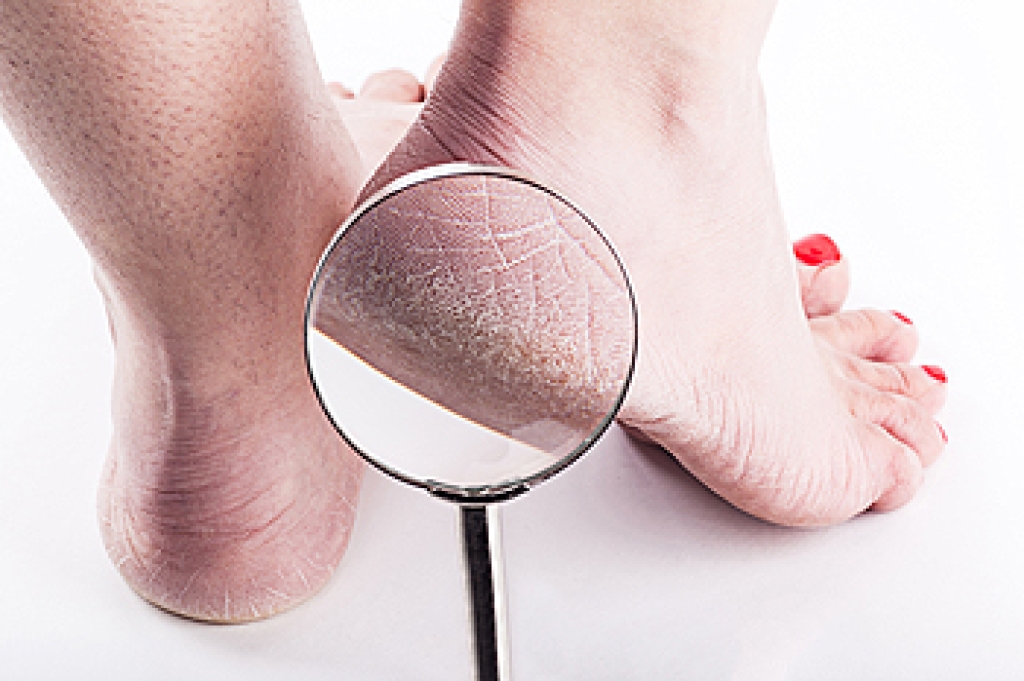
Cracked heels are a widespread foot concern that can affect both comfort and mobility. This condition develops when the skin surrounding the heel becomes excessively dry and loses its ability to stretch under pressure. As a result, the skin thickens and eventually splits, forming visible cracks. While often seen as a cosmetic issue, cracked heels can lead to pain and complications if ignored. Understanding the underlying causes is essential for preventing and managing this condition effectively.
Common symptoms include dry, scaly skin along the heel edges, deep fissures, and discomfort during weight-bearing activities. Some individuals may also notice redness or inflammation around the affected area. Risk factors such as prolonged standing, obesity, and poor footwear choices significantly increase the likelihood of developing cracked heels. Shoes that lack cushioning or support can intensify pressure on the heel, leading to faster skin breakdown. Additionally, individuals with medical conditions like diabetes and eczema may experience more severe symptoms due to compromised skin integrity.
Several contributing factors play a role in the formation of cracked heels. Dry skin is one of the primary causes, often worsened by environmental conditions or inadequate hydration. Continuous standing or walking places repeated stress on the heel, causing the skin to expand and crack. Excess body weight increases this pressure, while poorly designed footwear fails to provide the support needed to protect the heel. Medical conditions such as diabetes can impair circulation and healing, while eczema can weaken the skin barrier, making it more susceptible to fissures.
Managing cracked heels requires a proactive approach that includes both treatment and prevention. Prescription creams designed to hydrate and repair the skin can be extremely effective, especially when used consistently. Special orthotics can help distribute pressure evenly across the foot, reducing stress on the heels. If you have developed painful cracked heels, it is suggested that you consult a podiatrist to receive personalized care and appropriate treatment.
If the skin on your feet starts to crack, you may want to see a podiatrist to find treatment. If you have any concerns, contact Dr. Kenneth Donovan from Advanced Care Foot and Ankle. Our doctor can provide the care you need to keep you pain-free and on your feet.
Cracked Heels
It is important to moisturize your cracked heels in order to prevent pain, bleeding, and infection. The reason cracked heels form is because the skin on the foot is too dry to support the immense pressure placed on them. When the foot expands, the dry skin on the foot begins to split.
Ways to Help Heal Them
- Invest in a good foot cream
- Try Using Petroleum Jelly
- Ease up on Soaps
- Drink Plenty of Water
Ways to Prevent Cracked Heels
- Moisturize After Showering
- Skip a Shower
- Keep Shower Water Lukewarm
- Don’t Scrub Your Feet
If you are unsure how to proceed in treating cracked heels, seek guidance from a podiatrist. Your doctor will help you with any questions or information you may need.
If you have any questions, please feel free to contact one of our offices located in Warren, Livingston, and Toms River, NJ . We offer the newest diagnostic and treatment technologies for all your foot care needs.
