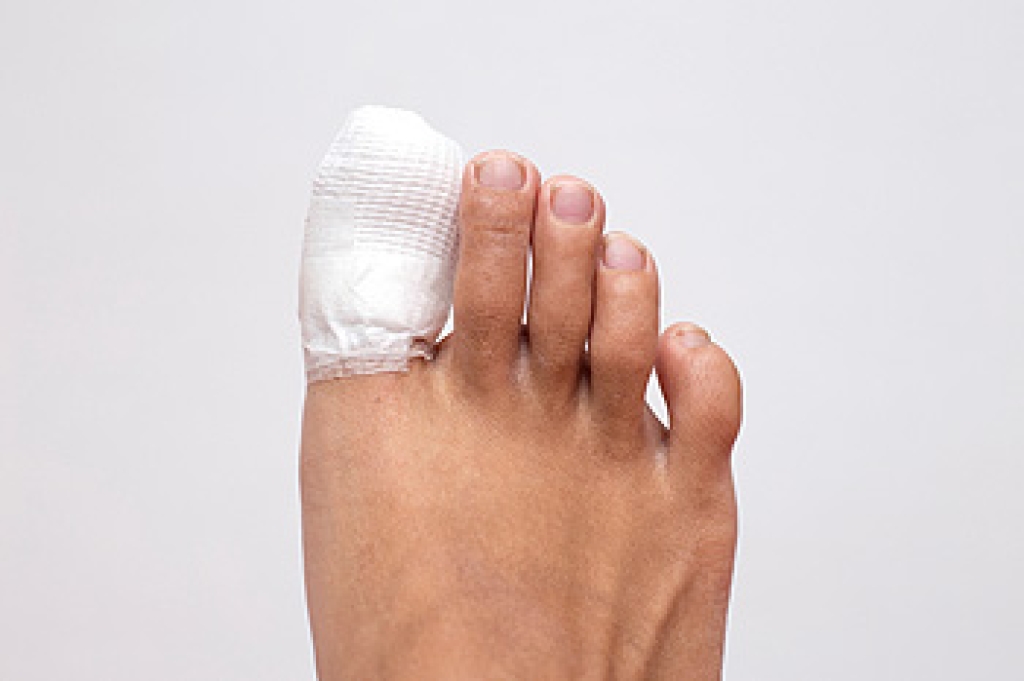
Broken Toe Diagnosis and Recovery

A broken toe occurs when one of the small bones in a toe fractures. This injury can happen after stubbing a toe, dropping a heavy object on the foot, or experiencing a sports-related accident. While some people assume a broken toe is a minor problem, it can cause significant discomfort and interfere with daily activities. Common broken toe symptoms include pain, swelling, bruising, tenderness, and difficulty walking. In some cases, the affected toe may appear crooked or out of alignment. Because these symptoms can also occur with a severe sprain, a professional evaluation is often needed to determine whether a toe fracture is present.


The severity of a broken toe can vary depending on the location and type of fracture. Some fractures involve a small crack in the bone, while others may cause the bone to shift out of place. A broken toe can make it difficult to wear shoes comfortably and may affect balance while walking. Without proper treatment, certain fractures may heal incorrectly, leading to ongoing pain, stiffness, or changes in toe position. Imaging studies such as X-rays are commonly used to confirm the diagnosis and evaluate the extent of the injury. Early diagnosis is important because it helps guide treatment decisions and supports proper healing.


A podiatrist is a foot and ankle specialist who can diagnose and treat broken toe injuries. During an examination, the podiatrist will assess symptoms, evaluate the alignment of the toe, and review imaging results to determine the most appropriate treatment plan. Depending on the severity of the fracture, treatment may involve immobilization, protective footwear, fracture management, or surgical care when necessary. Follow-up care is often important to ensure the bone heals correctly and normal foot function is restored. If you are experiencing toe pain, swelling, bruising, difficulty walking, or other signs of a broken toe, it is suggested that you consult a podiatrist for an evaluation and appropriate treatment options.

A broken toe can be very painful and lead to complications if not properly fixed. If you have any concerns about your feet, contact Dr. Kenneth Donovan from Advanced Care Foot and Ankle. Our doctor will treat your foot and ankle needs.

What to Know About a Broken Toe

Although most people try to avoid foot trauma such as banging, stubbing, or dropping heavy objects on their feet, the unfortunate fact is that it is a common occurrence. Given the fact that toes are positioned in front of the feet, they typically sustain the brunt of such trauma. When trauma occurs to a toe, the result can be a painful break (fracture).

Symptoms of a Broken Toe

  • Throbbing pain
  • Swelling
  • Bruising on the skin and toenail
  • The inability to move the toe
  • Toe appears crooked or disfigured
  • Tingling or numbness in the toe

Generally, it is best to stay off of the injured toe with the affected foot elevated.

Severe toe fractures may be treated with a splint, cast, and in some cases, minor surgery. Due to its position and the pressure it endures with daily activity, future complications can occur if the big toe is not properly treated.

If you have any questions, please feel free to contact one of our offices located in Warren, Livingston, and Toms River, NJ . We offer the newest diagnostic and treatment technologies for all your foot care needs.


Read more about What to Know About a Broken Toe

Straight Toes and a Strong Foundation

In Pilates, toes play a role in guiding the body. When toes point ahead, alignment begins at the feet and travels through the ankles, knees, hips, and spine. The foot contains three arches: the transverse arch, the lateral longitudinal arch, and the medial longitudinal arch. These arches work together to absorb shock and provide stability. When these arches weaken or collapse, a condition called overpronation may occur, with feet rolling inward and toes drifting outward. This can develop from strain, poor biomechanics, or improper habits. Patients may notice imbalance or discomfort during movement. A podiatrist can evaluate structure, prescribe custom orthotics, and guide correction to restore function and control. If you have foot or ankle pain, it is suggested that you consult a podiatrist who can offer effective relief tips and guide you on additional methods that can stretch the feet.

If you have any concerns about your feet, contact Dr. Kenneth Donovan from Advanced Care Foot and Ankle. Our doctor can provide the care you need to keep you pain-free and on your feet.

Biomechanics in Podiatry

Podiatric biomechanics is a particular sector of specialty podiatry with licensed practitioners who are trained to diagnose and treat conditions affecting the foot, ankle and lower leg. Biomechanics deals with the forces that act against the body, causing an interference with the biological structures. It focuses on the movement of the ankle, the foot and the forces that interact with them.

A History of Biomechanics

  • Biomechanics dates back to the BC era in Egypt where evidence of professional foot care has been recorded.
  • In 1974, biomechanics gained a higher profile from the studies of Merton Root, who claimed that by changing or controlling the forces between the ankle and the foot, corrections or conditions could be implemented to gain strength and coordination in the area.

Modern technological improvements are based on past theories and therapeutic processes that provide a better understanding of podiatric concepts for biomechanics. Computers can provide accurate information about the forces and patterns of the feet and lower legs.

Understanding biomechanics of the feet can help improve and eliminate pain, stopping further stress to the foot.

If you have any questions please feel free to contact one of our offices located in Warren, Livingston, and Toms River, NJ . We offer the newest diagnostic and treatment technologies for all your foot and ankle needs.

Read more about Biomechanics in Podiatry

Staying Comfortable on Your Feet at Work

Foot care while working is important because many jobs require long hours of standing, walking, or lifting, which can place stress on the feet. Wearing the right shoes is essential, since proper support helps reduce pressure on the heels, arches, and toes. Stretching the feet when possible can also help improve flexibility and reduce stiffness during the day. At home, basic care like resting the feet and monitoring discomfort can help prevent problems from getting worse. Without proper care, people may develop pain, swelling, or fatigue that affects daily movement. A podiatrist can evaluate foot structure, recommend supportive footwear, and provide treatment plans tailored to work-related strain. If foot discomfort continues, it is suggested that you consult a podiatrist for an evaluation and appropriate care.

While working on the feet, it is important to take the proper care of them. For more information about working on your feet, contact Dr. Kenneth Donovan from Advanced Care Foot and Ankle. Our doctor will treat your foot and ankle needs.

Working on Your Feet

Standing on your feet for long periods of time can cause stress and pain in your feet. Your whole body may experience change in terms of posture, back pain, bunions, callouses and or plantar warts. There are ways to avoid these conditions with proper foot care, smart choices and correct posture.

Positive Changes

Negative heeled shoe – Choosing this shoe type places the heel slightly lower than the ball of the foot. These are great for overall foot health. Find shoes that fit you correctly.

Go barefoot – Our feet were not designed to be enclosed for all hours of the day. Try to periodically expose your feet to air.

Eliminate Pain

Foot Exercises – Performing simple exercises, incorporating yoga and doing stretches are beneficial. This will allow increased blood flow to the area and muscles of the foot.

Achilles tendon – Stretching the foot out flat on the floor will relax the calf muscles and tendon. These exercises can be performed almost anywhere. Make sure you add these exercises to your daily regimen. 

With a little bit of this information and knowing more about foot health, you will notice changes. Foot stretches and proper footwear will help with pain and prevent further issues.

If you have any questions please contact one of our offices located in Warren, Livingston, and Toms River, NJ . We offer the newest diagnostic and treatment technologies for all your foot and ankle needs.

Read more about Working on Your Feet

Heel Pain That Lingers

Plantar fasciitis is a common cause of heel pain that develops when the thick band of tissue along the bottom of the foot becomes irritated. Many people notice sharp discomfort with their first steps in the morning or after sitting for a while, with some improvement as they begin moving. It can develop from repetitive strain, foot structure, prolonged standing, or changes in activity level. The timeline for recovery varies. Some people improve within several weeks, while others may deal with symptoms for months, if the problem is not properly addressed. A podiatrist can evaluate the cause of the pain and recommend treatment such as stretching programs, supportive inserts, footwear guidance, or activity changes. Early treatment may help shorten recovery and prevent ongoing discomfort. If you have persistent heel pain or pain with your first steps each morning, it is strongly suggested that you visit a podiatrist for appropriate treatment solutions.

Plantar fasciitis is a common foot condition that is often caused by a strain injury. If you are experiencing heel pain or symptoms of plantar fasciitis, contact Dr. Kenneth Donovan from Advanced Care Foot and Ankle. Our doctor can provide the care you need to keep you pain-free and on your feet.

What Is Plantar Fasciitis?

Plantar fasciitis is one of the most common causes of heel pain. The plantar fascia is a ligament that connects your heel to the front of your foot. When this ligament becomes inflamed, plantar fasciitis is the result. If you have plantar fasciitis you will have a stabbing pain that usually occurs with your first steps in the morning. As the day progresses and you walk around more, this pain will start to disappear, but it will return after long periods of standing or sitting.

What Causes Plantar Fasciitis?

  • Excessive running
  • Having high arches in your feet
  • Other foot issues such as flat feet
  • Pregnancy (due to the sudden weight gain)
  • Being on your feet very often

There are some risk factors that may make you more likely to develop plantar fasciitis compared to others. The condition most commonly affects adults between the ages of 40 and 60. It also tends to affect people who are obese because the extra pounds result in extra stress being placed on the plantar fascia.

Prevention

  • Take good care of your feet – Wear shoes that have good arch support and heel cushioning.
  • Maintain a healthy weight
  • If you are a runner, alternate running with other sports that won’t cause heel pain

There are a variety of treatment options available for plantar fasciitis along with the pain that accompanies it. Additionally, physical therapy is a very important component in the treatment process. It is important that you meet with your podiatrist to determine which treatment option is best for you.

If you have any questions, please feel free to contact one of our offices located in Warren, Livingston, and Toms River, NJ . We offer the newest diagnostic and treatment technologies for all your foot care needs.

 

Read more about Plantar Fasciitis

Connect With Us