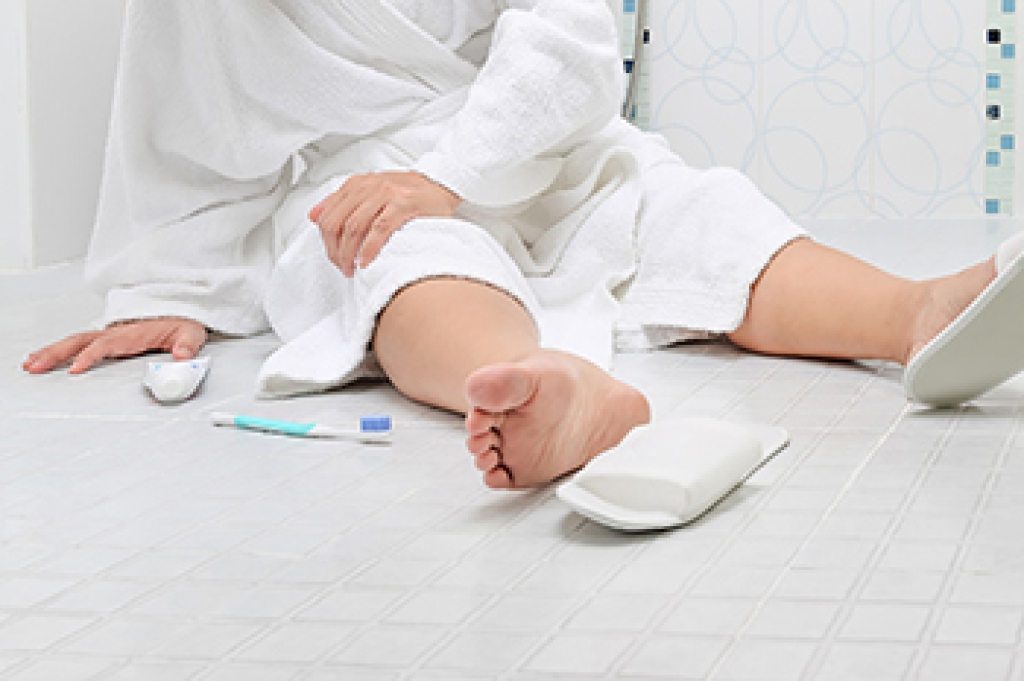
How Aging Feet Can Increase Fall Risk

As people age, changes in the lower limbs can quietly raise the chance of losing stability and stumbling. Reduced muscle power in the toes, along with stiff joints, can alter walking patterns and slow reactions. Ill-fitting shoes or worn soles further increase the likelihood of trips. Many seniors also develop sensory loss, making it harder to detect surfaces and obstacles. Targeted care can help, including tailored exercises for the lower limbs and guidance on properly fitted, supportive shoes. Regular assessment allows early identification of issues and timely management. Addressing these factors can improve confidence during daily activities and lower injury risk. Podiatrists can recommend skin care, orthoses, and routine nail maintenance, while coordinating with other clinicians to support safer movement and independence at home and in the community. If you are a senior and have developed foot pain or are looking for additional fall prevention tips, it is suggested that you schedule routine visits with a podiatrist.

Preventing falls among the elderly is very important. If you are older and have fallen or fear that you are prone to falling, consult with Dr. Kenneth Donovan from Advanced Care Foot and Ankle. Our doctor will assess your condition and provide you with quality advice and care.

Every 11 seconds, an elderly American is being treated in an emergency room for a fall related injury. Falls are the leading cause of head and hip injuries for those 65 and older. Due to decreases in strength, balance, senses, and lack of awareness, elderly persons are very susceptible to falling. Thankfully, there are a number of things older persons can do to prevent falls.

How to Prevent Falls

Some effective methods that older persons can do to prevent falls include:

  • Enrolling in strength and balance exercise program to increase balance and strength
  • Periodically having your sight and hearing checked
  • Discuss any medications you have with a doctor to see if it increases the risk of falling
  • Clearing the house of falling hazards and installing devices like grab bars and railings
  • Utilizing a walker or cane
  • Wearing shoes that provide good support and cushioning
  • Talking to family members about falling and increasing awareness

Falling can be a traumatic and embarrassing experience for elderly persons; this can make them less willing to leave the house, and less willing to talk to someone about their fears of falling. Doing such things, however, will increase the likelihood of tripping or losing one’s balance. Knowing the causes of falling and how to prevent them is the best way to mitigate the risk of serious injury.  

If you have any questions, please feel free to contact one of our offices located in Warren, Livingston, and Toms River, NJ . We offer the newest diagnostic and treatment technologies for all your foot care needs.

Read more about Falls Prevention

Are Bunions Affecting Your Everyday Life?

Have you noticed a bony protrusion on the side of your big toe? If so, you may have developed the foot condition known as a bunion. Don't let bunions interfere with your daily activities.

Pain That Persists in the Big Toe

Complex regional pain syndrome limited to the hallux, or big toe, is a rare, but serious pain condition that can develop after an injury, surgery, or even a minor strain. The pain is often out of proportion to the original issue and may feel burning, sharp, or deep. The toe can become very sensitive to touch, with swelling, color changes, or temperature differences compared to the other foot. Movement may feel difficult, and even light pressure can be uncomfortable. This condition does not only affect the toe itself, but also how the nervous system processes pain signals. Care often involves a combination of medical support, guided movement, and strategies that address both the body and how pain is experienced over time. Early attention is important. If ongoing toe pain feels unusual or severe, it is suggested that you see a podiatrist for a proper diagnosis and appropriate treatment.

Toe pain can disrupt your daily activities. If you have any concerns, contact Dr. Kenneth Donovan of Advanced Care Foot and Ankle. Our doctor can provide the care you need to keep you pain-free and on your feet.

What Causes Toe Pain?

Most severe toe pain is caused due to a sports injury, trauma from dropping something heavy on the toe, or bumping into something rigid. Other problems can develop over time for various reasons.

Toe pain can be caused by one or more ailments. The most common include:

  • Trauma
  • Sports injury
  • Wearing shoes that are too tight
  • Arthritis
  • Gout
  • Corns and calluses
  • Hammertoe
  • Bunions
  • Blisters
  • Ingrown toenails
  • Sprains
  • Fractures (broken bones)
  • Dislocations

When to See a Podiatrist

  • Severe pain
  • Persistent pain that lasts more than a week
  • Signs of infection
  • Continued swelling
  • Pain that prevents walking

Diagnosis

In many cases the cause of toe pain is obvious, but in others, a podiatrist may want to use more advanced methods to determine the problem. These can range from simple visual inspections and sensation tests to X-rays and MRI scans. Prior medical history, family medical history, and any recent physical traumatic events will all be taken into consideration for a proper diagnosis.

Treatment

Treatments for toe pain and injuries vary and may include shoe inserts, padding, taping, medicines, injections, and in some cases, surgery. If you believe that you have broken a toe, please see a podiatrist as soon as possible.

If you have any questions please contact one of our offices located in Warren, Livingston, and Toms River, NJ . We offer the newest diagnostic and treatment technologies for all your foot and ankle needs.

Read more about Toe Pain

Healthy Habits for Diabetic Feet

https://aging.idaho.gov/wp-content/uploads/2019/07/haa-diabetic-foot-care-resource-guide.pdf

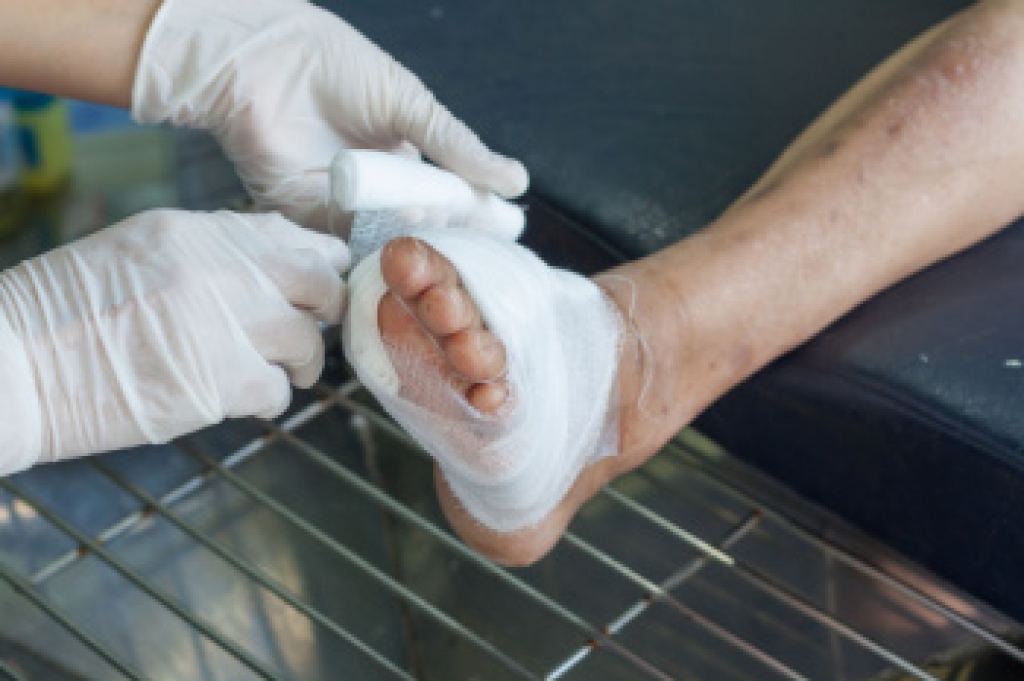
Living with diabetes means paying extra attention to the feet, since changes in circulation and sensation can allow small issues to develop without early warning. A daily look at the skin helps you spot irritation, dryness, or minor injuries before they worsen. Gentle washing, careful drying between the toes, and regular moisturizing support healthier skin and reduce the chance of cracking. Choosing shoes that fit well and protect pressure points is equally important, as rubbing or tight areas can lead to sores that heal slowly. Trimming toenails straight across helps prevent ingrown edges, and any redness, swelling, or unusual warmth should be taken seriously. Routine podiatric care makes it easier to catch problems early and maintain comfortable mobility. If you notice color changes, numbness, or a spot that does not improve, it is suggested that you see a podiatrist for proper evaluation and guidance in diabetic foot care.

Diabetic foot care is important in preventing foot ailments such as ulcers. If you are suffering from diabetes or have any other concerns about your feet, contact Dr. Kenneth Donovan from Advanced Care Foot and Ankle. Our doctor can provide the care you need to keep you pain-free and on your feet.

Diabetic Foot Care

Diabetes affects millions of people every year. The condition can damage blood vessels in many parts of the body, especially the feet. Because of this, taking care of your feet is essential if you have diabetes, and having a podiatrist help monitor your foot health is highly recommended.

The Importance of Caring for Your Feet

  • Routinely inspect your feet for bruises or sores.
  • Wear socks that fit your feet comfortably.
  • Wear comfortable shoes that provide adequate support.

Patients with diabetes should have their doctor monitor their blood levels, as blood sugar levels play such a huge role in diabetic care. Monitoring these levels on a regular basis is highly advised.

It is always best to inform your healthcare professional of any concerns you may have regarding your feet, especially for diabetic patients. Early treatment and routine foot examinations are keys to maintaining proper health, especially because severe complications can arise if proper treatment is not applied.

If you have any questions, please feel free to contact one of our offices located in Warren, Livingston, and Toms River, NJ . We offer the newest diagnostic and treatment technologies for all your foot care needs.
Read more about Diabetic Foot Care

Zumba Dancing and Foot Health

Zumba dancing is an energetic activity that helps strengthen the bones of the feet through repetitive weight-bearing movement. This type of exercise supports the maintenance of bone density, which is essential for preventing weakness and injury. The dynamic steps in Zumba improve balance and coordination while also enhancing muscle strength in the feet and ankles. Increased joint mobility is another benefit, allowing for better flexibility and reduced stiffness during daily activities. Regular participation can contribute to overall foot health and stability. A podiatrist can evaluate your foot structure, recommend supportive footwear, and address any discomfort that may arise from this activity. If you have developed foot pain from Zumba dancing, it is suggested that you consult a podiatrist who can treat various foot and ankle injuries, and guide you on staying active while protecting your feet.

Exercising your feet regularly with the proper foot wear is a great way to prevent injuries and build strength. If you have any concerns about your feet, contact Dr. Kenneth Donovan from Advanced Care Foot and Ankle. Our doctor can provide the care you need to keep you pain-free and on your feet.

Exercise for Your Feet

Exercise for your feet can help you gain strength, mobility and flexibility in your feet. They say that strengthening your feet can be just as rewarding as strengthening another part of the body. Your feet are very important, and we often forget about them in our daily tasks. But it is because of our feet that are we able to get going and do what we need to. For those of us fortunate enough to not have any foot problems, it is an important gesture to take care of them to ensure good health in the long run.

Some foot health exercises can include ankle pumps, tip-toeing, toe rises, lifting off the floor doing reps and sets, and flexing the toes. It is best to speak with Our doctor to determine an appropriate regimen for your needs. Everyone’s needs and bodies are different, and the activities required to maintain strength in the feet vary from individual to individual. 

Once you get into a routine of doing regular exercise, you may notice a difference in your feet and how strong they may become.

If you have any questions, please feel free to contact one of our offices located in Warren, Livingston, and Toms River, NJ . We offer the newest diagnostic and treatment technologies for all your foot care needs.

Read more about Exercise for Your Feet

Connect With Us