Bunions and Effective Ways to Manage Foot Alignment

A bunion is a structural foot condition that develops as a bony bump at the base of the big toe. It forms when the top of the toe shifts out of alignment, causing it to lean toward the others. This misalignment places pressure on the joint and surrounding tissues, often leading to discomfort over time. Bunions are a progressive condition, meaning they can worsen without proper care. They are more commonly seen in women, largely due to footwear choices and anatomical differences in foot structure.


Pain from a bunion often begins with visible swelling at the base of the big toe. The area may appear red, inflamed, and tender to the touch. Many individuals experience pain when walking or wearing shoes, especially styles that compress the toes. As the condition progresses, stiffness and limited movement in the joint may develop. Some individuals also notice thickened skin or callus formation due to repeated friction against footwear.


Several causes contribute to bunion development. Wearing high-heeled shoes or tight-fitting footwear places excessive pressure on the front of the foot and forces the toes into an unnatural position. Genetics also play a significant role, as inherited foot structure can increase the likelihood of joint misalignment. Hormonal changes during pregnancy or menopause may further weaken supportive tissues, allowing the condition to progress. Over time, these combined factors can lead to persistent discomfort and structural changes in the foot.


Risk factors include prolonged use of narrow shoes, family history of bunions, occupations that require extended standing, and underlying foot mechanics. Women are at higher risk due to footwear habits and ligament flexibility. Managing bunions involves wearing supportive shoes, reducing pressure on the joint, and maintaining proper foot alignment. Early care can help slow progression and improve comfort. If you have a painful or uncomfortable bunion, it is suggested that you consult a podiatrist for effective relief and management solutions.

If you are suffering from bunion pain, contact Dr. Kenneth Donovan of Advanced Care Foot and Ankle. Our doctor can provide the care you need to keep you pain-free and on your feet.

What Is a Bunion?

Bunions are painful bony bumps that usually develop on the inside of the foot at the joint of the big toe. As the deformity increases over time, it may become painful to walk and wear shoes. Women are more likely to exacerbate existing bunions since they often wear tight, narrow shoes that shift their toes together. Bunion pain can be relieved by wearing wider shoes with enough room for the toes.

Causes

  • Genetics – some people inherit feet that are more prone to bunion development
  • Inflammatory Conditions - rheumatoid arthritis and polio may cause bunion development

Symptoms

  • Redness and inflammation
  • Pain and tenderness
  • Callus or corns on the bump
  • Restricted motion in the big toe

In order to diagnose your bunion, your podiatrist may ask about your medical history, symptoms, and general health. Your doctor might also order an x-ray to take a closer look at your feet. Nonsurgical treatment options include orthotics, padding, icing, changes in footwear, and medication. If nonsurgical treatments don’t alleviate your bunion pain, surgery may be necessary.

If you have any questions, please feel free to contact one of our offices located in Warren, Livingston, and Toms River, NJ . We offer the newest diagnostic and treatment technologies for all your foot care needs.

Read more about What Are Bunions?

Exercises Can Help to Reduce Foot Pain

Healthy feet absorb shock, maintain balance, and provide a stable base with every step. When foot muscles become weak or stiff, extra stress develops in the arches, heels, and toes. Regular foot exercise helps improve movement and builds strength in areas that work hard every day. Helpful exercises include toe spreads, standing calf raises, and writing the alphabet with the big toe to improve mobility. Another useful exercise is the asterisk drill, which challenges balance while strengthening the foot and ankle. Bent-knee heel raises also help support the back of the foot and ankle. These movements encourage better control while walking and can reduce strain on the tissues that support the foot.

Exercise works best when performed with proper technique. Poor form can place added stress on painful areas instead of improving them. Patients who continue to experience discomfort while walking, standing, or exercising should seek a professional evaluation instead of ignoring the problem. A podiatrist can determine the cause of the pain through a complete examination. Diagnosis includes evaluating foot structure, joint movement, and muscle strength. A podiatrist also looks for conditions like plantar fasciitis, arthritis, or nerve irritation that contribute to pain. Once the cause is identified, treatment focuses on correcting the problem while helping restore comfortable movement.

A podiatrist can suggest an exercise program based on each patient's condition instead of recommending the same routine for everyone. Care may also include custom orthotics that improve foot alignment and reduce pressure on painful areas. Braces or other supportive devices may be prescribed when appropriate. Patients also receive guidance about choosing shoes that provide proper support and fit correctly. Combining professional treatment with targeted exercises gives the feet a better opportunity to regain strength, improve mobility, and reduce pain. Stronger foot muscles support healthier movement with every step. If you have intense or consistent foot pain, it is suggested that you schedule an appointment with a podiatrist for a diagnosis and appropriate treatment.

Exercising your feet regularly with the proper foot wear is a great way to prevent injuries and build strength. If you have any concerns about your feet, contact Dr. Kenneth Donovan from Advanced Care Foot and Ankle. Our doctor can provide the care you need to keep you pain-free and on your feet.

Exercise for Your Feet

Exercise for your feet can help you gain strength, mobility and flexibility in your feet. They say that strengthening your feet can be just as rewarding as strengthening another part of the body. Your feet are very important, and we often forget about them in our daily tasks. But it is because of our feet that are we able to get going and do what we need to. For those of us fortunate enough to not have any foot problems, it is an important gesture to take care of them to ensure good health in the long run.

Some foot health exercises can include ankle pumps, tip-toeing, toe rises, lifting off the floor doing reps and sets, and flexing the toes. It is best to speak with Our doctor to determine an appropriate regimen for your needs. Everyone’s needs and bodies are different, and the activities required to maintain strength in the feet vary from individual to individual. 

Once you get into a routine of doing regular exercise, you may notice a difference in your feet and how strong they may become.

If you have any questions, please feel free to contact one of our offices located in Warren, Livingston, and Toms River, NJ . We offer the newest diagnostic and treatment technologies for all your foot care needs.

Read more about Exercise for Your Feet

Plantar Warts Can Be Treated!

Plantar warts are small growths that develop on parts of the feet that bear weight. They're typically found on the bottom of the foot. Don't live with plantar warts, and call us today!

Risk Factors and Treatment of Hammertoe

Hammertoe is a deformity that causes a toe to bend downward at its middle joint instead of lying flat. It most often affects the second, third, or fourth toe. In some cases, the toe remains flexible at first, but it can become stiff and more difficult to straighten as the deformity progresses. Hammertoe can develop when muscles and tendons that control toe movement become unbalanced. This places extra pressure on the joints and causes the toe to curl. Other contributing factors include injuries, arthritis, diabetes, and wearing shoes that are too tight. Shoes with high heels can also force the toes into a cramped position and increase stress on the joints.

People with a hammertoe frequently notice pain while wearing shoes because the bent toe rubs against the inside of the shoe. Symptoms include tenderness, redness, and swelling surrounding the affected joint. Corns and calluses can develop where the toe rubs against shoes or neighboring toes. Some people experience stiffness and difficulty moving the affected toe. As the deformity becomes more severe, it may be painful to walk and stand. A podiatrist can diagnose hammertoe through a physical examination of the foot and toes. X-rays are sometimes used to evaluate the position of the bones and joints and to determine the severity of the deformity.

Treatment depends on how flexible the toe remains and how advanced the condition has become. A podiatrist can recommend shoes with a wider toe box to reduce pressure on the affected area. Custom orthotics, which are shoe inserts designed to improve foot function, can help relieve strain on the joints. Padding and other supportive devices can also improve comfort. When the toe becomes rigid or if pain persists, surgery can straighten the toe and restore a more natural position. Early evaluation can help prevent worsening deformity and reduce long-term discomfort. If you have a painful hammertoe, it is suggested that you schedule an appointment with a podiatrist for diagnosis and appropriate treatment.

Hammertoes can be a painful condition to live with. For more information, contact Dr. Kenneth Donovan of Advanced Care Foot and Ankle. Our doctor will answer any of your foot- and ankle-related questions.

Hammertoe

Hammertoe is a foot deformity that occurs due to an imbalance in the muscles, tendons, or ligaments that normally hold the toe straight. It can be caused by the type of shoes you wear, your foot structure, trauma, and certain disease processes.

Symptoms

  • Painful and/or difficult toe movement
  • Swelling
  • Joint stiffness
  • Calluses/Corns
  • Physical deformity

Risk Factors

  • Age – The risk of hammertoe increases with age
  • Sex – Women are more likely to have hammertoe compared to men
  • Toe Length – You are more likely to develop hammertoe if your second toe is longer than your big toe
  • Certain Diseases – Arthritis and diabetes may make you more likely to develop hammertoe

Treatment

If you have hammertoe, you should change into a more comfortable shoe that provides enough room for your toes. Exercises such as picking up marbles may strengthen and stretch your toe muscles. Nevertheless, it is important to seek assistance from a podiatrist in order to determine the severity of your hammertoe and see which treatment option will work best for you.

If you have any questions, please feel free to contact one of our offices located in Warren, Livingston, and Toms River, NJ . We offer the newest diagnostic and treatment technologies for all your foot care needs.
Read more about What Are Hammertoes?

Key Differences Between a Broken and Sprained Foot

A broken foot is a fracture that occurs when one or more bones in the foot crack or break due to excessive force, trauma, or repetitive stress. The foot contains a complex structure of bones that support movement and balance, making it susceptible to injury during high-impact activities or accidents. In contrast, a sprained foot involves damage to the ligaments, which are the soft tissues that connect bones. While both injuries may present with similar discomfort, the underlying damage is different, which affects treatment and recovery expectations.

Symptoms of a broken foot often include sharp and immediate pain, swelling, bruising, and difficulty bearing weight. Some individuals may experience a visible deformity or hear a snapping sound at the time of injury. Pain usually worsens with movement and does not improve with rest. A sprained foot may also cause swelling and discomfort, but it may allow some level of movement and weight bearing. Tenderness and instability may be present, but the structural integrity of the bone remains intact. Distinguishing between these conditions is important for proper care.


Risk factors for a broken foot include participation in high-impact sports, sudden trauma such as falls, and wearing footwear that does not protect the foot. Environmental hazards like uneven ground or slippery surfaces can also increase risk. Individuals with reduced bone strength or a history of stress injuries may be more vulnerable. Recovery time for a broken foot varies based on severity, but most fractures require several weeks of immobilization followed by gradual rehabilitation. In comparison, a sprain may heal more quickly depending on the extent of ligament damage.


It is important to understand that an accurate diagnosis is essential when dealing with foot injuries. Misidentifying a fracture as a sprain can delay healing and lead to complications. Prompt evaluation helps ensure proper treatment and recovery. If you think you may have broken your foot or have persistent pain after an injury, it is strongly suggested you consult a podiatrist for an accurate diagnosis and appropriate treatment plan.

A broken foot requires immediate medical attention and treatment. If you need your feet checked, contact Dr. Kenneth Donovan from Advanced Care Foot and Ankle. Our doctor can provide the care you need to keep you pain-free and on your feet.

Broken Foot Causes, Symptoms, and Treatment

A broken foot is caused by one of the bones in the foot typically breaking when bended, crushed, or stretched beyond its natural capabilities. Usually the location of the fracture indicates how the break occurred, whether it was through an object, fall, or any other type of injury. 

Common Symptoms of Broken Feet:

  • Bruising
  • Pain
  • Redness
  • Swelling
  • Blue in color
  • Numbness
  • Cold
  • Misshapen
  • Cuts
  • Deformities

Those that suspect they have a broken foot shoot seek urgent medical attention where a medical professional could diagnose the severity.

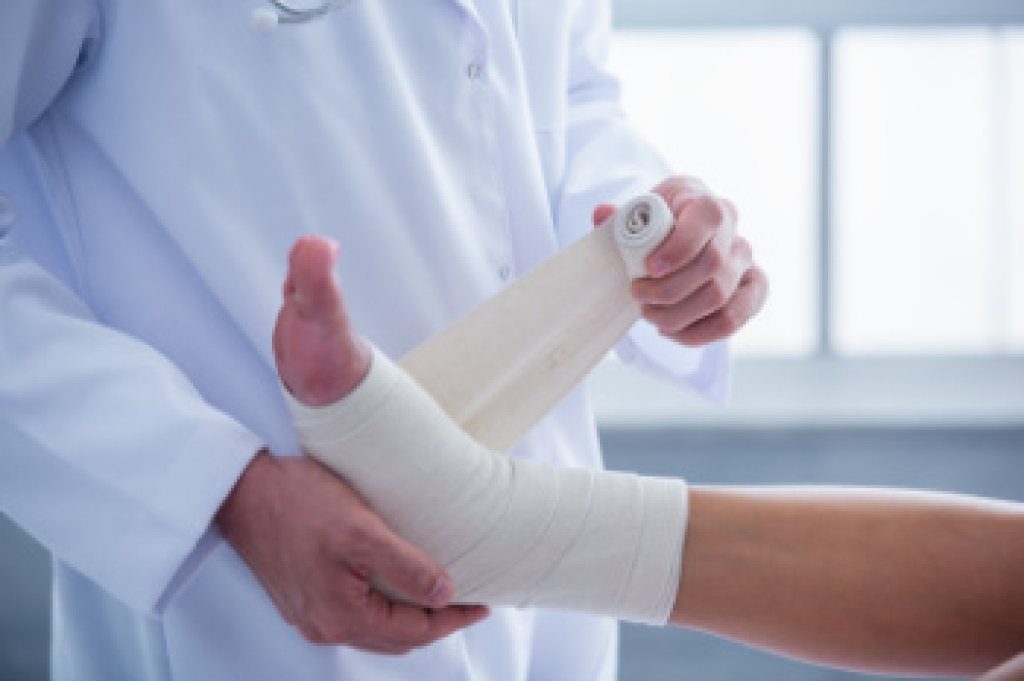
Treatment for broken bones varies depending on the cause, severity and location. Some will require the use of splints, casts or crutches while others could even involve surgery to repair the broken bones. Personal care includes the use of ice and keeping the foot stabilized and elevated.

If you have any questions, please feel free to contact one of our offices located in Warren, Livingston, and Toms River, NJ . We offer the newest diagnostic and treatment technologies for all your foot care needs.

Read more about Causes, Symptoms, and Treatment for a Broken Foot

Connect With Us